Mastering the Art of Outdoor Lighting: Techniques for a Brighter Home May 18, 2026
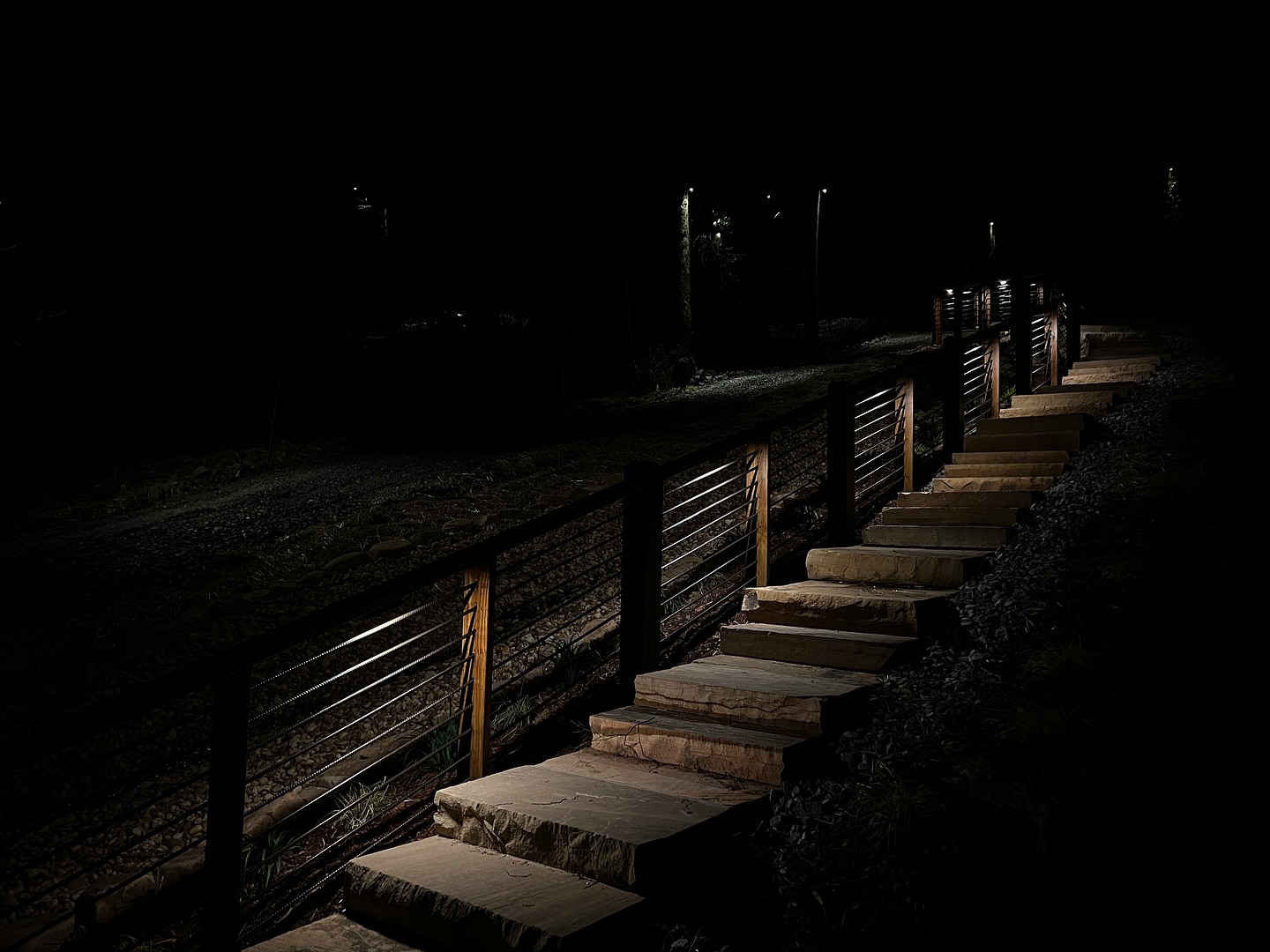
Outdoor lighting begins with the thoughtful planning of your lighting layout. It’s crucial to understand the different areas of your property and how light can complement their unique features. Consider your pathways, garden, driveway, and architectural details that you want to highlight. Start by evaluating your space during dusk, identifying dark spots, and envisioning how you want those areas to look illuminated. This strategic approach ensures that all spotlight-worthy aspects of your home are not only visible but also inviting.
Once your lighting plan is laid out, selecting the correct type of lighting fixtures becomes essential. Consider a mix of floodlights, pathway lights, and accent lights to create depth and layers in your illumination. LED lights are recommended for their energy efficiency and longevity, allowing you to keep your outdoor space brilliantly lit without a hefty electricity bill. Pathway lights guide visitors safely to your door while adding an aesthetic appeal, and floodlights enhance security by deterring unwanted visitors. Accent lights breathe life into specific garden features or architectural elements such as trees, shrubs, and textured walls, providing a focused shine where it matters most.
Furthermore, understanding the importance of light intensity and placement cannot be overstated. Too much light can be overwhelming, while too little might achieve the opposite effect of what you’re aiming for. Opt for softer, warmer hues to create a cozy and welcoming atmosphere. The strategic placement of lights enhances the overall visual impact. For instance, positioning lights at the base of a wall or near the edge of a deck can cast intriguing shadows and highlight textures often overlooked during daylight.
When it comes to highlighting specific outdoor features, creative techniques like uplighting and downlighting can make all the difference. Uplighting involves positioning lights at ground level to cast light upward, a technique effective in showcasing tall trees or flagging architectural details. Conversely, downlighting imitates natural moonlight, mounted above an area to softly illuminate a wide space. This method is perfect for creating a relaxed, ambient environment in garden areas.
Another critical factor in outdoor lighting is incorporating smart technology. Today’s smart lighting solutions provide programmable and responsive controls, allowing you to adjust the lights via a smartphone application. This not only enhances convenience but also improves energy efficiency as lights can be set to turn on or off according to your daily schedule or a timer.
Finally, always focus on outdoor lighting maintenance. Clean fixtures regularly and replace any faulty bulbs promptly to ensure your outdoor area remains vibrant throughout the year. Embrace regular audits of your lighting setup to identify what’s working or which areas require improvements.
By implementing these techniques, you can master the art of outdoor lighting and transform your home into an illuminated masterpiece. At Visiv Lighting, we are committed to illuminating your home with expertise and creativity, turning each project into a unique and personalized experience. Connect with us to explore how we can make your outdoor spaces shine bright.
/filters:no_upscale()/filters:format(webp)/media/a6175e94-02b8-43f0-afeb-295a434cb87d.jpeg)
/filters:no_upscale()/filters:format(webp)/media/b7c8fc45-eab8-473c-9205-f0a21abc5104.jpeg)